
Jazz Tied – Das einzigartige Musikmagazin aus Hamburg
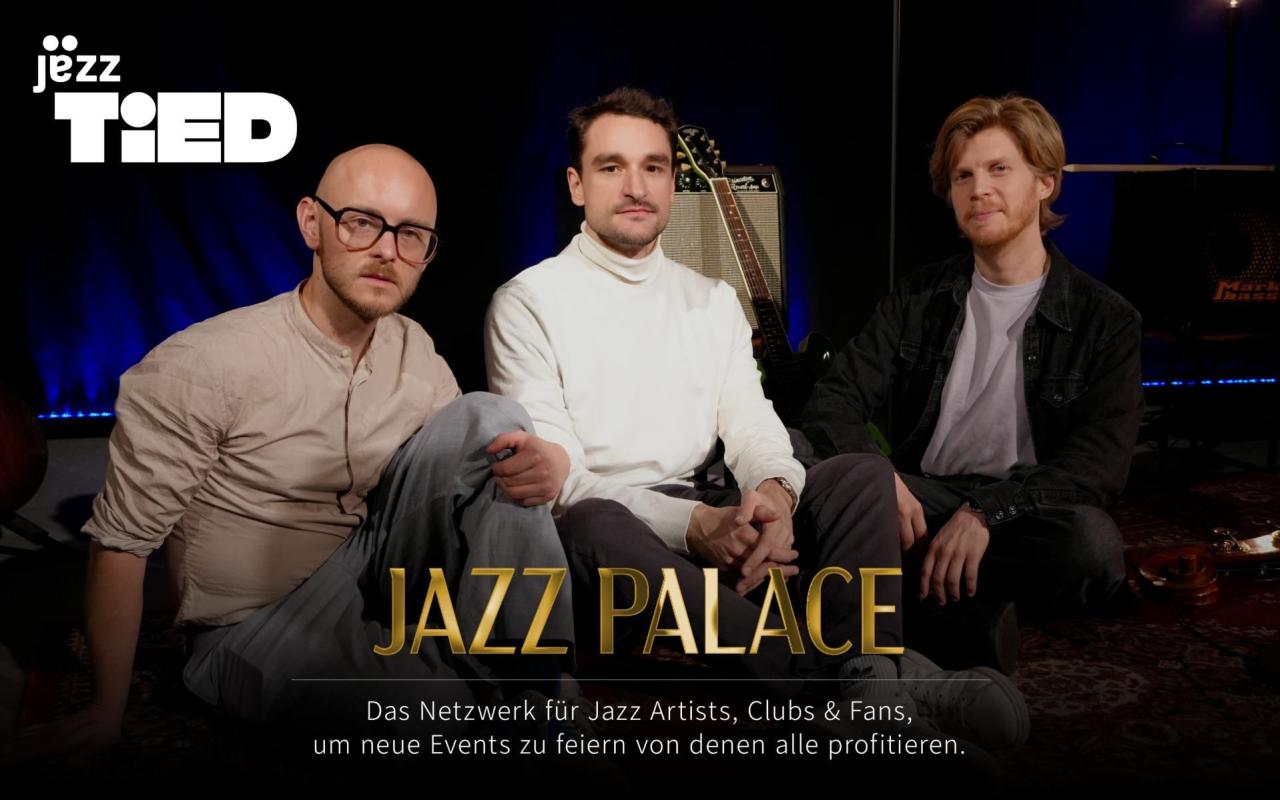
So ziemlich jede Band wünscht sich doch eigentlich mal, vor der Kamera zu stehen und die eigene Musik professionell produzieren zu lassen, oder nicht? Gerade im Jazz sind gute Referenzen extrem wichtig – für das nächste Album, für das nächste Booking, für den nächsten Schritt. Genau an diesem Punkt setzt Jazz Tied an. Und je tiefer man hinter die Kulissen blickt, desto klarer wird, warum dieses Format etwas Besonderes ist.
Als ich kürzlich die Jazz Tied-Verlinkung auf der Startseite der Jazz Federation Hamburg ergänzt habe, habe ich die Gelegenheit genutzt, mir noch einmal ganz bewusst Gedanken über das Format zu machen. Nicht zuletzt auch, weil ich mich parallel auf den Videoschnitt für das Release von Pale Blue Dot aus dem Oktober vorbereitet habe. Dabei stellte sich für mich eine einfache, aber spannende Frage:
Gibt es eigentlich ein vergleichbares Video-Jazz-Musikmagazin in Deutschland – oder bewegen wir uns hier tatsächlich in einem ziemlich einzigartigen Feld?
Ich habe mich also umgesehen. Natürlich gibt es starke Produktionen, engagierte Redaktionen und großartige Inhalte – auch im Jazz. Aber ein Format, das regelmäßig hochwertige Studio-Live-Sessions, professionellen Sound, mehrere Kameraperspektiven und echte Interviews in einem klaren Magazinrahmen verbindet, ist erstaunlich selten.
Am ähnlichsten kam dem vielleicht noch das Jazzit Magazin aus Salzburg. Ein tolles Projekt, das gemeinsam mit dem Freien Fernsehen Salzburg entsteht, internationale Künstler präsentiert und ebenfalls auf YouTube zu finden ist. Die Sessions sind hochwertig produziert, meist ohne Publikum, und bewegen sich – ähnlich wie bei uns – in einem sehr spezialisierten, jazzaffinen Umfeld.
Auch JazzrockTV aus Köln ist erwähnenswert: ein kostenloser Internet-Videokanal mit Fokus auf Jazzrock und Fusion. Hier werden Live-Konzerte, Interviews und Studio-Sessions kombiniert, oft in einem Rutsch aufgenommen. Musikalisch ein klarer Schwerpunkt, handwerklich solide, mit einem eigenen Charakter.
Dann gibt es Formate wie Little Big Beat in Liechtenstein – ein beeindruckendes Studio mit analoger Technik und einem kleinen, sehr aufmerksamen Publikum. International bekannt, großartig umgesetzt, aber eben kein deutsches Jazz-Magazin im engeren Sinne.
Und natürlich die öffentlich-rechtlichen Angebote: ARD Jazz als starkes Audio-Format, ergänzt durch hochwertige Konzertmitschnitte in der ARD Mediathek und auf ARD Kultur. Produktionen wie die WDR-Aufnahmen von den Leverkusener Jazztagen zeigen eindrucksvoll, auf welchem Niveau hier gearbeitet wird – allerdings ohne den Anspruch eines eigenständigen, fortlaufenden Video-Musikmagazins.
All das sind wichtige, wertvolle Beiträge zur Jazzlandschaft. Aber sie verfolgen jeweils andere Schwerpunkte, andere Zielsetzungen, andere Produktionslogiken.
Was mir bei dieser Recherche noch einmal sehr deutlich geworden ist: Jazz Tied ist aus gutem Grund stark in Hamburg verankert. Während viele Formate international oder zumindest überregional denken, erzählt Jazz Tied die Geschichten der Jazzstadt Hamburg – und macht sie sichtbar. Für das lokale Publikum genauso wie für Jazzliebhaber weit über die Stadtgrenzen hinaus.
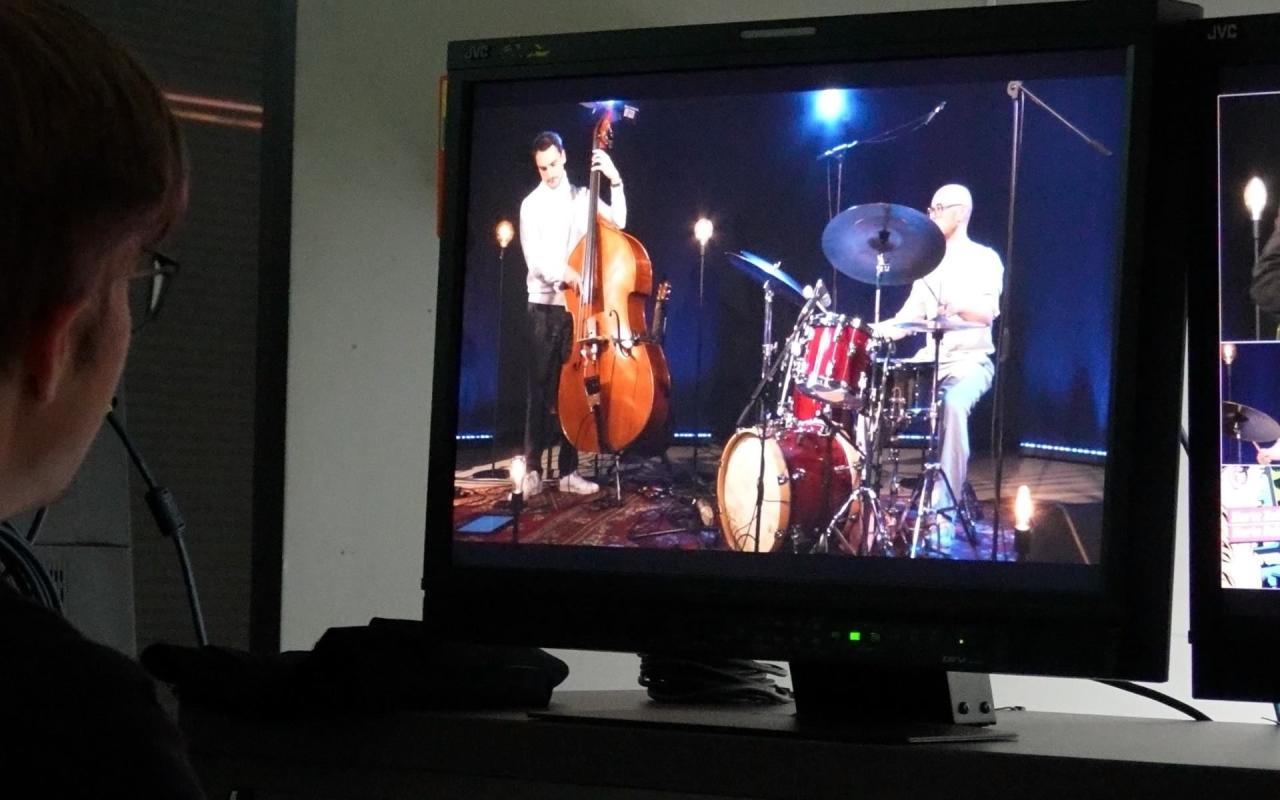
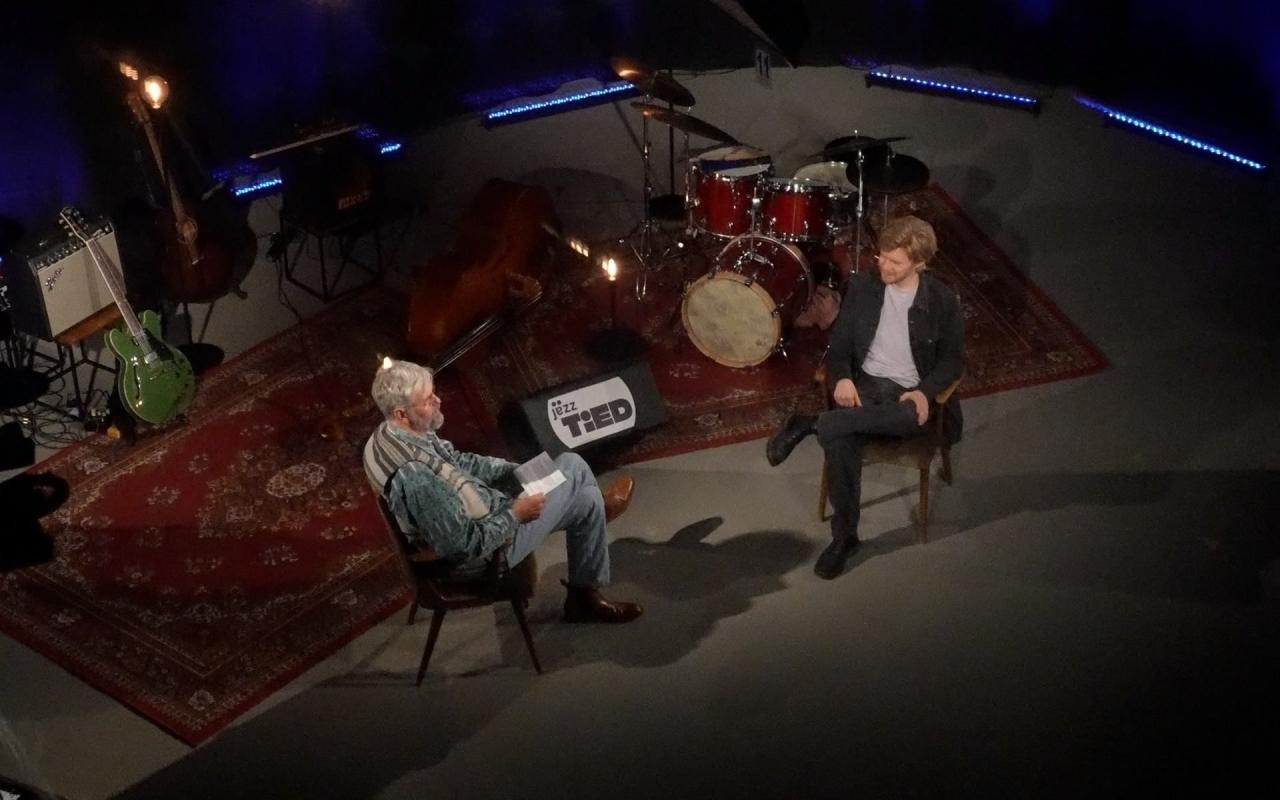
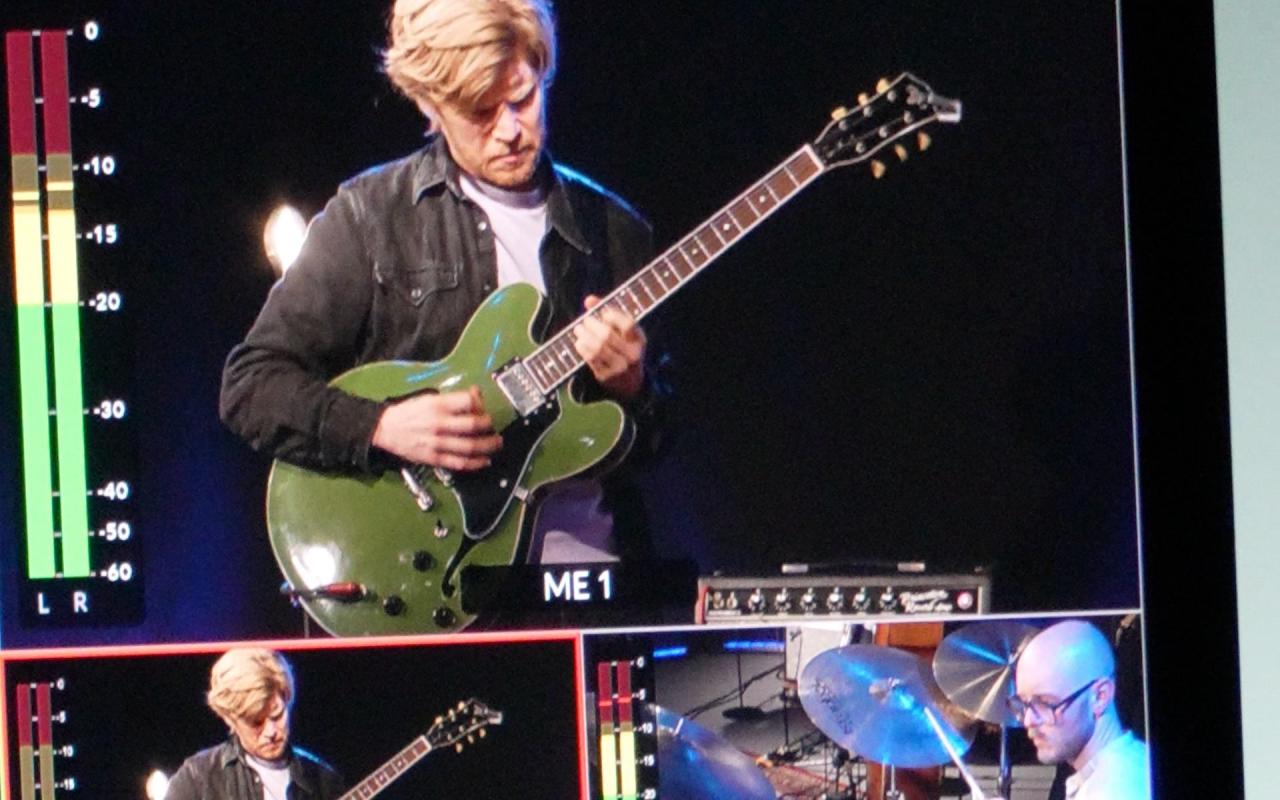
Gleichzeitig steckt hinter jeder Folge ein enormer Aufwand. Das sieht man nicht immer sofort, aber wenn man einmal hinter die Kulissen geschaut hat, versteht man, warum es solche Formate nicht wie Sand am Meer gibt. Drei, vier Kameras. Dutzende Mikrofone. Regie, Schnitt, Licht. Dazu Planung, Soundcheck, Moderation – und die komplette Postproduktion im Anschluss. Es ist super aufwändig. Und all das machen wir, damit es am Ende so klingt, wie es klingt.
Oder anders gesagt: Da steht ein ganzes Team dahinter. Und das hört und sieht man.
Natürlich habe ich mich auch gefragt, was wir von anderen Produktionen lernen können. Die Idee, Studio-Sessions mit Publikum aufzunehmen, wie bei Little Big Beat, ist zum Beispiel extrem reizvoll. Man denkt sofort an Formate wie die legendären Snarky-Puppy-Sessions. Gleichzeitig ist klar: Das bedeutet einen deutlich höheren organisatorischen und technischen Aufwand.
Ein anderer Gedanke war die Sichtbarkeit: Wenn wir ohnehin hochwertige Inhalte produzieren, warum diese nicht noch stärker über Hamburg hinaus tragen? In Partnerschaft mit überregionalen Medien, Plattformen oder Netzwerken. Nicht, um den lokalen Fokus aufzugeben – sondern um Musikerinnen und Musikern aus unserer Stadt eine noch größere Bühne zu geben.
Und ja, vielleicht gibt es auch noch Potenzial, mit diesem Format ein jüngeres Publikum anzusprechen. Wie genau, das bleibt offen. Aber allein diese Frage zeigt, wie viel Entwicklungsspielraum in Jazz Tied steckt.
Eine kleine Anekdote zum Schluss: Vor kurzem war ich mittwochs in Kassel im Theaterstübchen und durfte dort einen Blick hinter die Kulissen werfen. Der Tontechniker zeigte mir das Equipment – beeindruckend. Mehrere Kameras, Live-Übertragungen auf Monitore im Club, eine komplette Konzertaufzeichnung mit Bild und Ton. Nach dem Konzert bot er mir an, das fertige Video direkt herunterzuladen. Alles war schon da.
Das zeigt, was heute technisch möglich ist. Aber Technik allein macht noch kein Musikmagazin. Es braucht Haltung, Redaktion, ein Gespür für Musik – und Menschen, die bereit sind, diesen Aufwand zu betreiben.
Jazz Tied ist kein Zufallsprodukt. Es ist das Ergebnis von viel Arbeit, viel Leidenschaft und einem klaren Anspruch an Qualität. In dieser Kombination – regelmäßiges Video-Jazz-Musikmagazin, hohe Produktionsstandards, redaktioneller Rahmen und starker lokaler Bezug – ist Jazz Tied etwas ganz Besonderes in der deutschen Jazzlandschaft.
Oder um es ganz schlicht zu sagen:
Wenn man diese Band spielen hört, merkt man – die haben das geübt.
Und wenn man Jazz Tied sieht, merkt man: Hier wird Jazz nicht nur dokumentiert, sondern ernst genommen.
Wer das Magazin noch nicht kennt, sollte unbedingt reinschauen – auf der Website der Jazz Federation Hamburg oder auf dem YouTube-Kanal von TIDETVHamburg.
Es lohnt sich!